
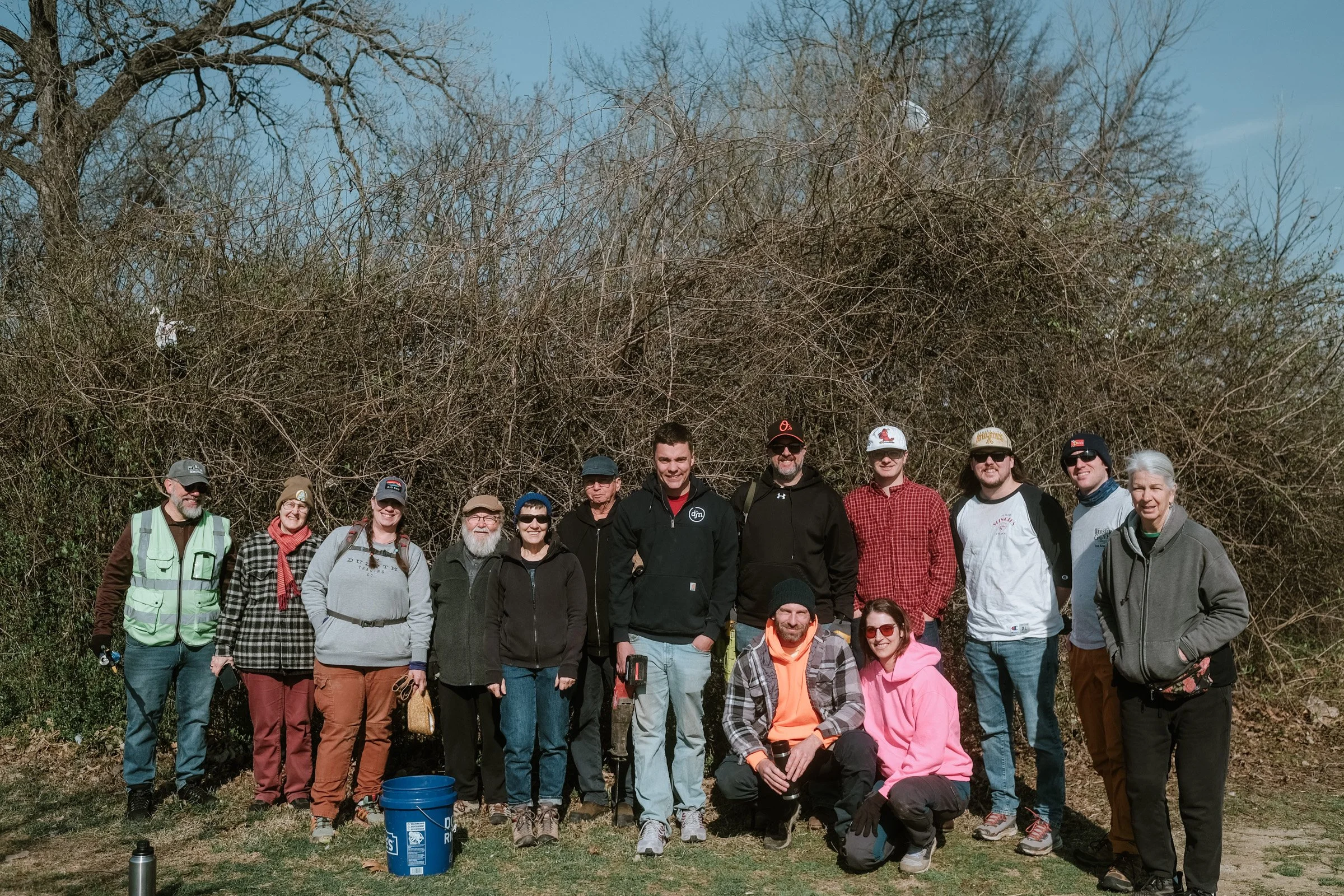
Carondelet Park
PARK AMBASSADORS: Michael Forbis and Hannah Butz
Carondelet Park is an important urban green space that provides habitat for wildlife, improves environmental health, and offers opportunities for recreation and connection to nature within the city of St. Louis. It is the third largest St. Louis city park at 179.71 acres.
Through Community Stewardship Alliance (CSA) projects, volunteers and community members are helping restore and care for the park’s natural areas to ensure they remain healthy, accessible, and resilient for future generations.
-

Invasive Species Removal
-

Native Species Planting
-

Litter Removal
Community Stewardship Alliances' Impact on Carondelet Park
One major focus of CSA work at Carondelet Park is invasive and aggressive species management. Species such as bush honeysuckle, euonymus, and other invasive plants can quickly spread throughout woodland areas, crowding out native vegetation and reducing biodiversity.
These invasive species often create dense monocultures that limit habitat quality for birds, pollinators, and other wildlife. Through ongoing invasive removal events, volunteers help restore ecological balance and create space for native plants to recover.
The program also encourages community members to take ownership of sections of the park, giving them the opportunity to learn about local ecosystems while actively contributing to their protection and restoration.
Litter cleanups are another important part of stewardship efforts within the park. Seasonal cleanup events help remove trash from trails, waterways, and green spaces, improving both ecosystem health and visitor experience.
Litter can negatively impact wildlife, pollute waterways, and reduce the overall beauty and usability of public spaces. By providing bags, grabbers, and gloves, these events make it easy for volunteers to directly improve the health and appearance of the park while fostering a stronger sense of community stewardship.CSA projects also focus heavily on native plantings and habitat restoration. Current efforts include re-landscaping the Bird Habitat area to create a more intentional and sustainable environment for people, birds, pollinators, and other wildlife.
Volunteers continue to work alongside partners such as the Missouri Department of Conservation and the St. Louis City Forestry Division to support woodland restoration and replant native species throughout the park.
Native plants are especially important in urban areas because they provide food and shelter for pollinators and wildlife, improve soil and water quality, and increase ecosystem resilience. Restoring native habitat also helps strengthen ecological connections within the city, creating important refuges for biodiversity in developed landscapes. Beyond the ecological benefits, CSA projects at Carondelet Park help strengthen the surrounding community. These volunteer efforts bring together neighbors, park users, and local organizations around a shared goal of caring for a valued community space.
By improving the landscape and enhancing the natural beauty of the park, these projects create healthier, more welcoming outdoor spaces for recreation, relaxation, and education. Ultimately, this work is about more than maintaining a park; its about building long-term relationships between people and nature while ensuring that Carondelet Park continues to thrive and grow as an ecological and community resource for many years.